
Implant treatment, also known as dental implantology, is a highly effective solution for tooth loss, helping individuals restore their oral health and confidence. But what exactly is an implant?
Tooth loss can occur due to various reasons, and when a tooth reaches a stage where it can no longer be saved through conventional treatments, implants become the best alternative. The primary goal of implant treatment is to replace missing teeth in a way that feels natural and seamless.
This method provides both aesthetic and functional benefits, offering a durable and long-lasting solution. Due to its popularity, many people frequently search online for information regarding the cost of dental implants. Additionally, those who have lost one or multiple teeth often ask, “What is an implant?” In simple terms, an implant is a titanium screw that acts as an artificial tooth root, securely placed into the jawbone without harming the surrounding bone structure.
Titanium, being highly biocompatible with the human body, allows the implant to integrate with the bone over time. Many patients also inquire about fixed and removable prosthetics, as well as All-on-4 and All-on-6 implant solutions, which provide full-mouth restorations.
Tooth loss can impact both appearance and functionality. This raises the question: Why opt for dental implants?
Dental implants serve as strong, durable, and natural-looking replacements for missing teeth. Beyond restoring chewing function, they help maintain the integrity of the jawbone structure, preventing bone deterioration over time.
In most cases, a tooth needs to be extracted due to trauma or severe decay. If the gap left by the missing tooth is not filled with an implant, the surrounding healthy teeth may shift or weaken over time. Since implants are a long-term solution, they can significantly improve an individual’s quality of life. This treatment is suitable for replacing a single tooth or multiple missing teeth.
Dental implants are recommended for individuals who have lost teeth and wish to regain full functionality and aesthetics. While implants are suitable for both young and older adults, certain factors must be considered before proceeding with the treatment.
• The jawbone must be fully developed before implantation.
• If there is significant bone loss (resorption) in the area, bone grafting may be required to strengthen the jawbone.
• Many individuals who prefer fixed teeth over removable dentures opt for dental implants as a more stable and comfortable alternative.
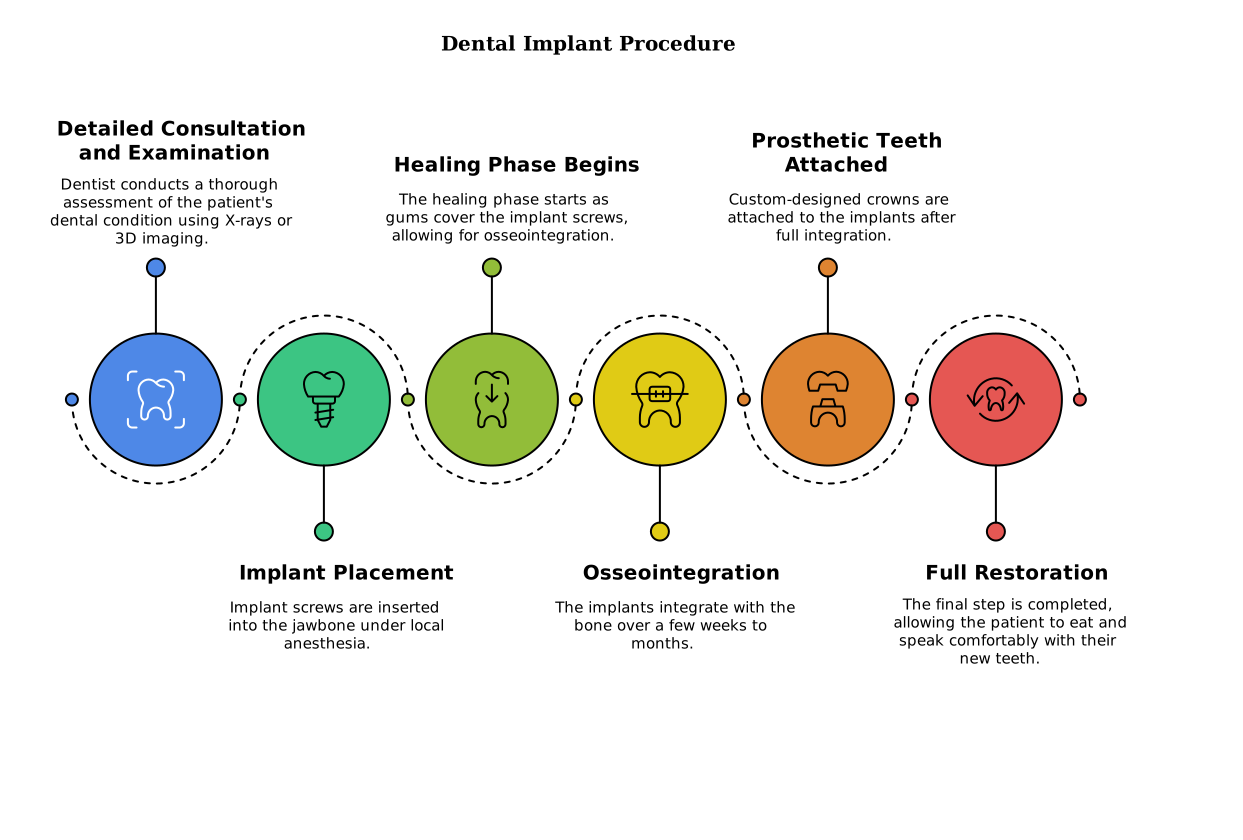
The implant procedure typically consists of two main stages, requiring careful planning. In some single-stage applications, temporary crowns may be placed immediately.
Step 1: Implant Placement
Before the procedure, a detailed consultation and examination take place. X-rays or 3D imaging help assess the jawbone structure, allowing the dentist to create a personalized treatment plan.
Once the implants are positioned, a healing period begins, allowing them to integrate with the bone. This process, called osseointegration, is crucial for a stable foundation.
Step 2: Healing and Final Restoration
Once the implants are fully restored, patients can enjoy eating and speaking comfortably as they would with natural teeth.
Before undergoing implant treatment, patients should be aware of key factors that influence success. A major consideration is bone resorption, which refers to the loss of bone density in the jaw. If necessary, bone grafting may be performed to prepare the area for implants.
Other important factors include:
✔ Thorough pre-treatment evaluation
✔ Good oral hygiene habits
✔ Use of high-quality implant materials
✔ The expertise of the dentist and clinic
To ensure the longevity of dental implants, proper post-treatment care is essential. Patients should follow these guidelines:
✔ Maintain regular oral hygiene (brushing, flossing, and dental check-ups).
✔ Expect mild swelling or discomfort, which is normal and temporary.
✔ Avoid hard foods that could stress the implants during healing.
✔ Stick to a soft diet initially, including yogurt, soups, and mashed foods.
✔ Reduce or quit smoking and alcohol consumption, as these can slow healing.
By following these recommendations, patients can maximize the lifespan of their implants and avoid concerns about “How long do dental implants last?”—with proper care, they can last a lifetime!
For more information about dental implants at Dental Planet, or to schedule a consultation, contact us today. Our expert team is here to guide you every step of the way!
Dental Planet was founded by established specialist dentists in different branches of dentistry, hygienists, nurses and with one of the best technical team in the world with decades of experience, working in a very high standard laboratory, equipped with the latest technology, high-quality instruments and materials.